
Project Partners

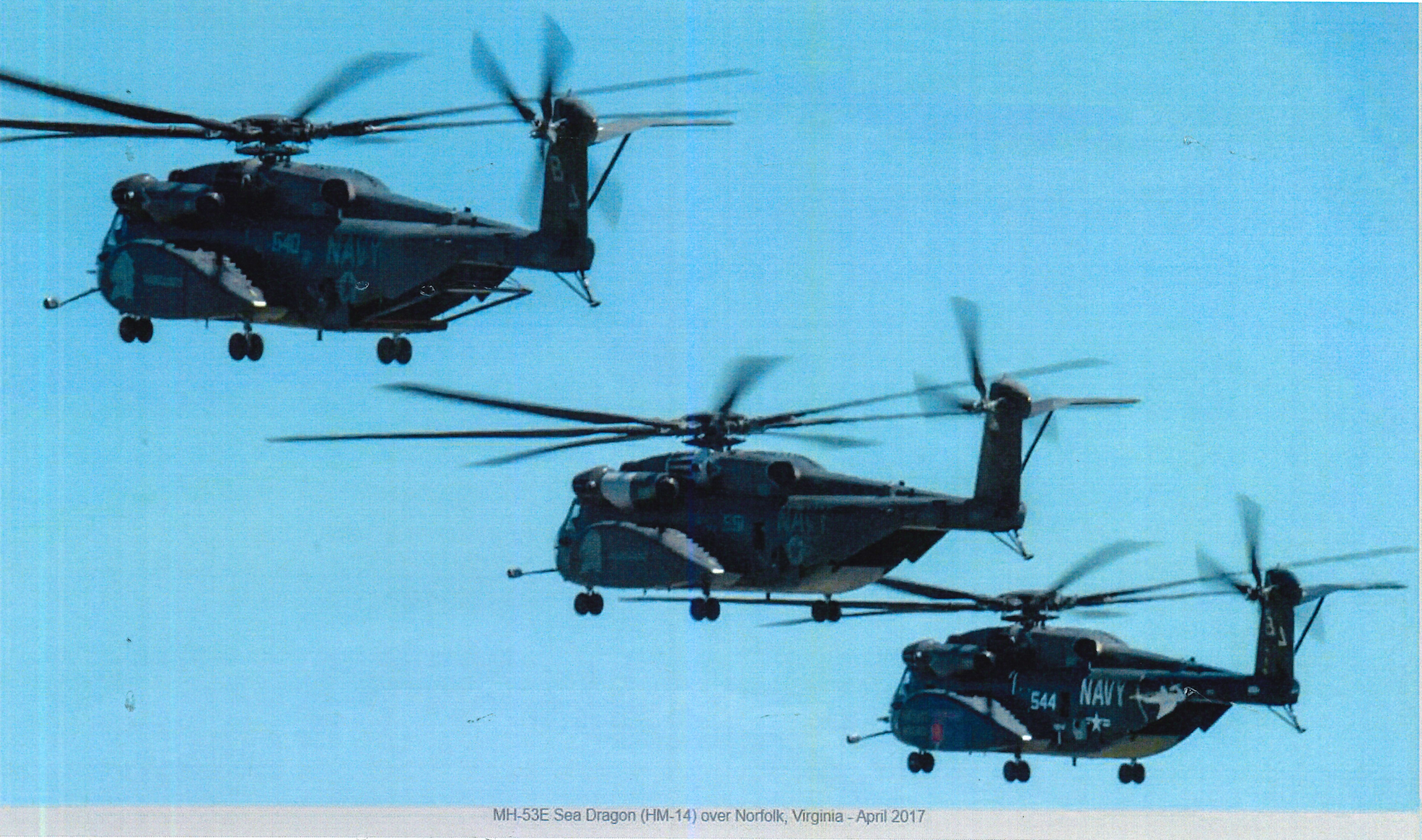
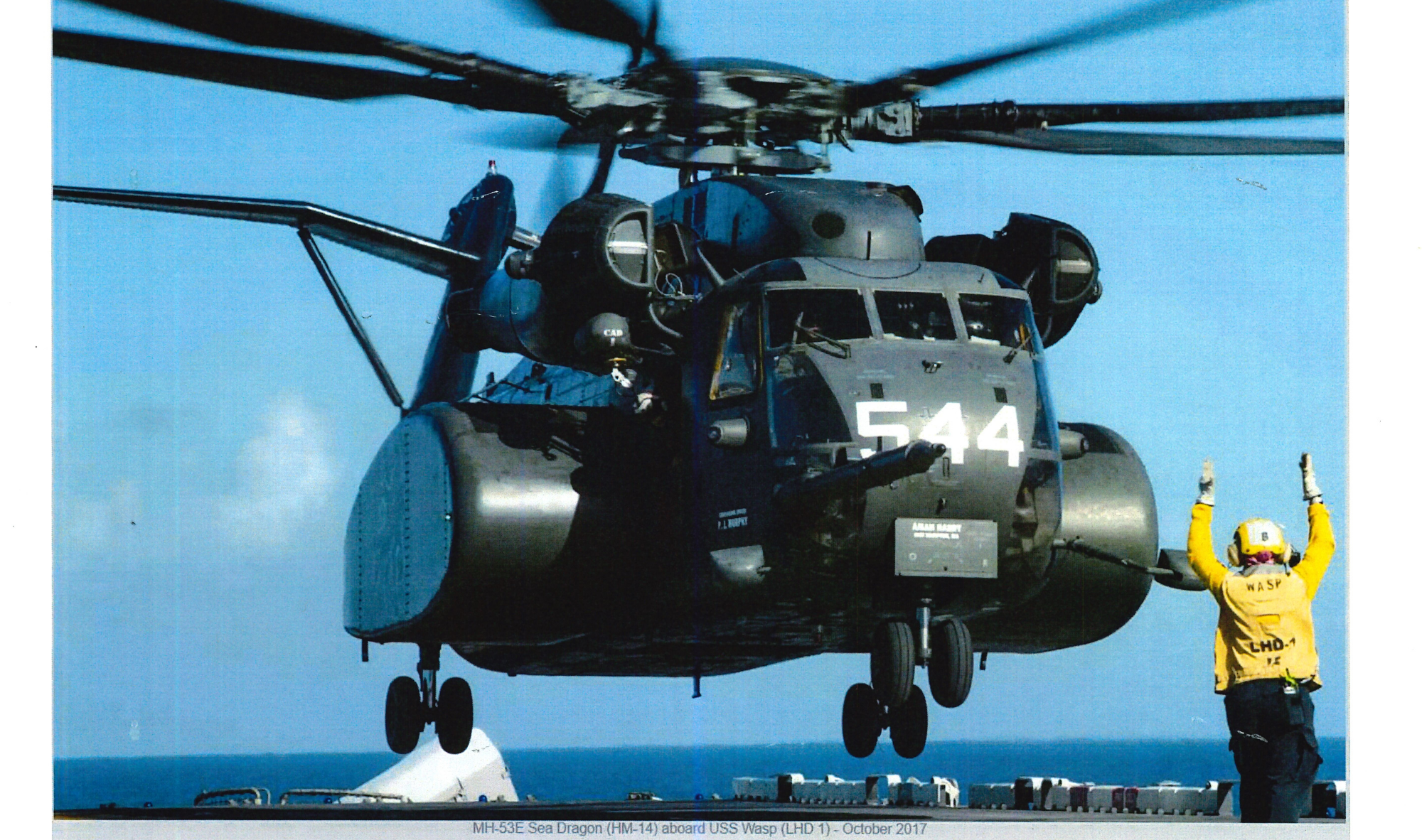
MH-53E Sea Dragon – COMING 2027
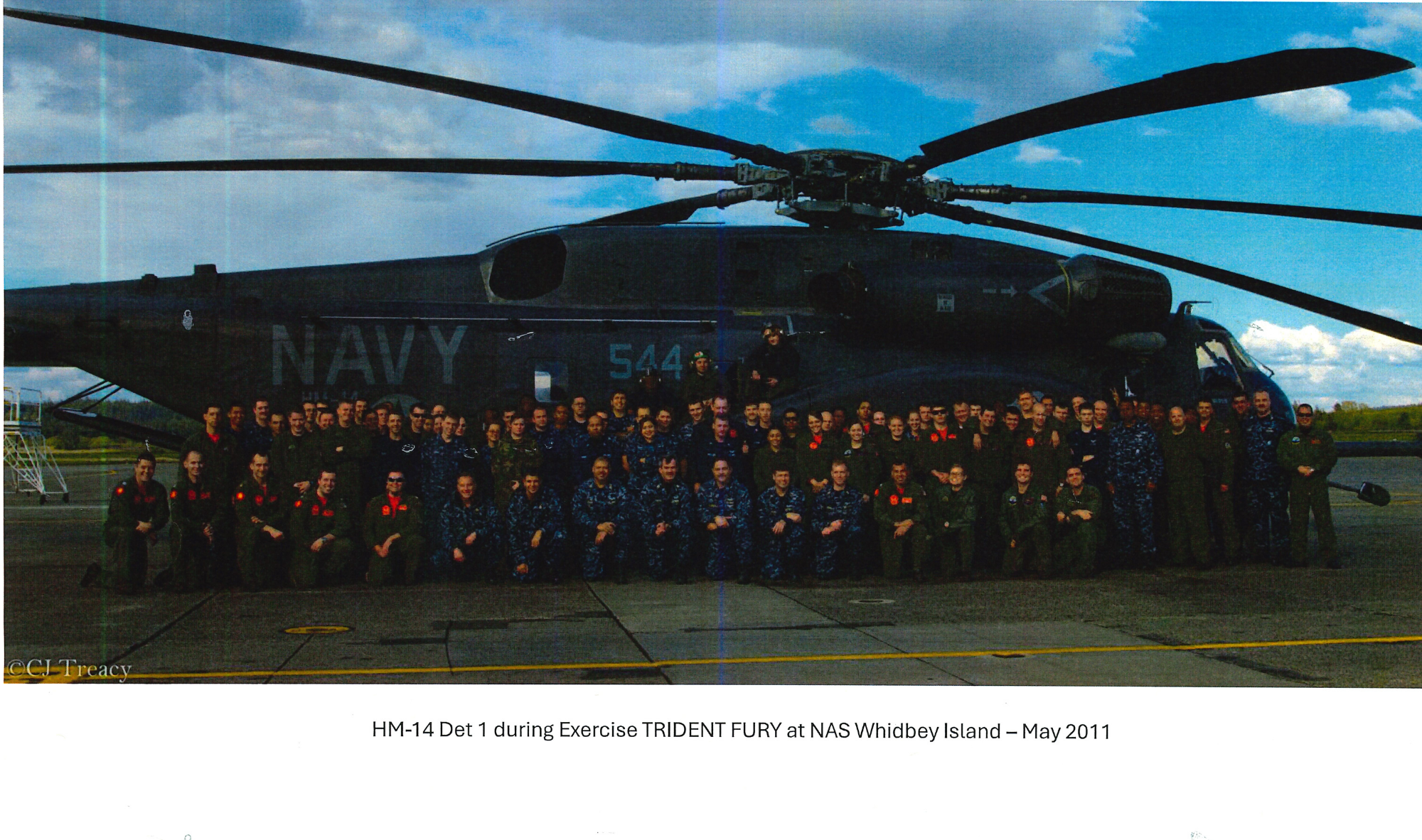
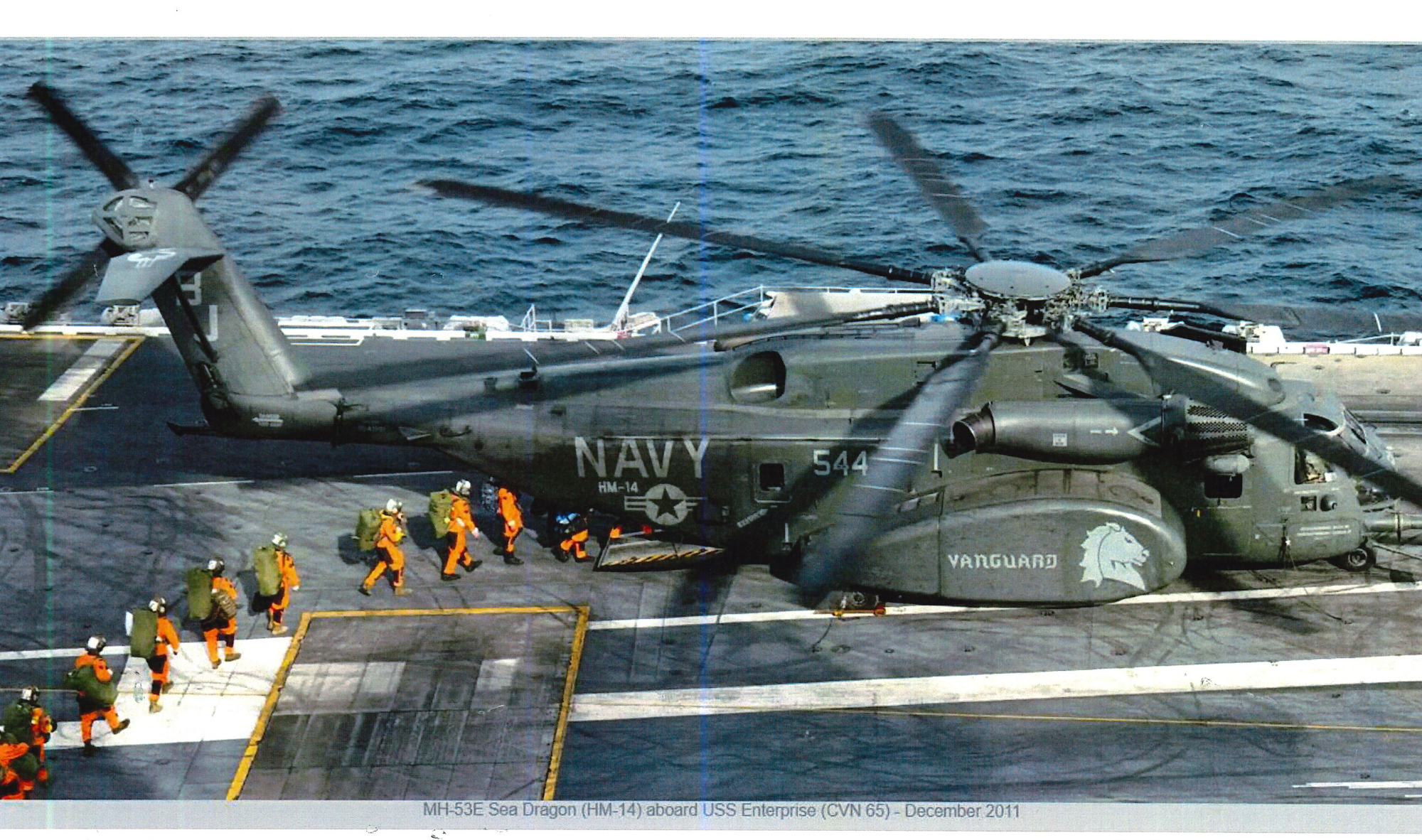
The MH-53E Sea Dragon is one of the largest and most powerful helicopters ever operated by the United States military. Developed from the CH-53E Super Stallion, the Sea Dragon was designed to perform heavy-lift missions and specialized airborne mine countermeasures for the U.S. Navy.
With three powerful engines, a seven-blade main rotor, and an extended fuselage, the MH-53E can transport heavy equipment, vehicles, and personnel or tow massive mine-sweeping systems across open water. Its size and capability make it an impressive and rare aircraft to see up close.
On display at Tulsa Air & Space Museum, the Sea Dragon will highlight naval aviation, rotary-wing engineering, and the vital role helicopters play in both combat and humanitarian operations.
DOUGLAS A-26 INVADER
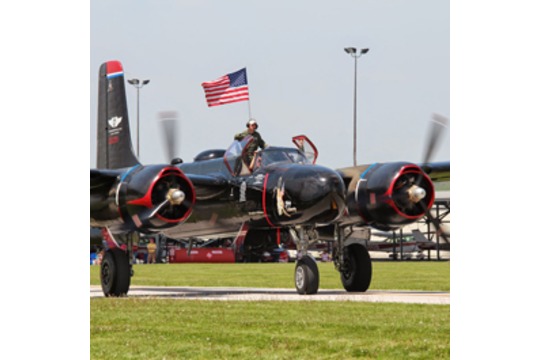
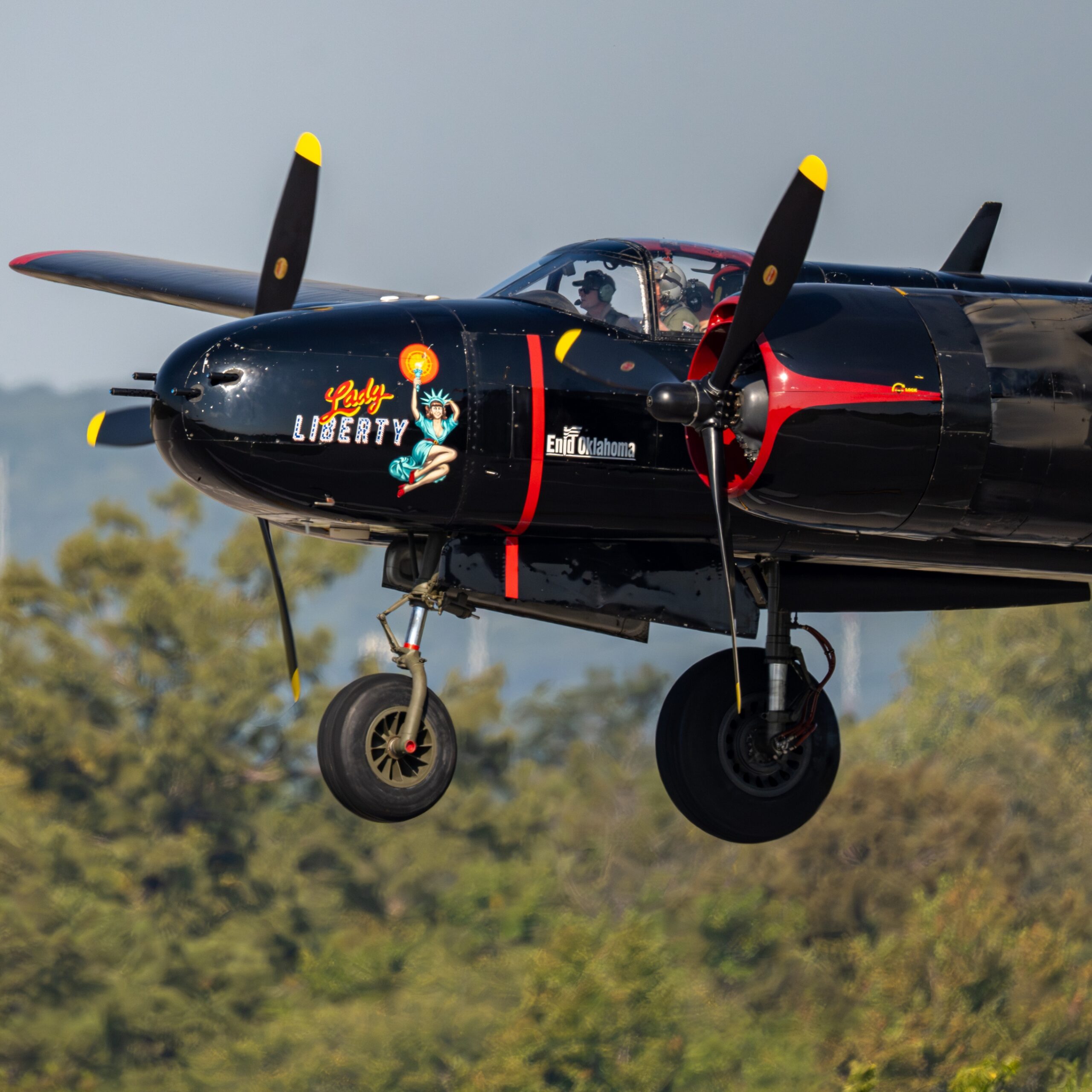
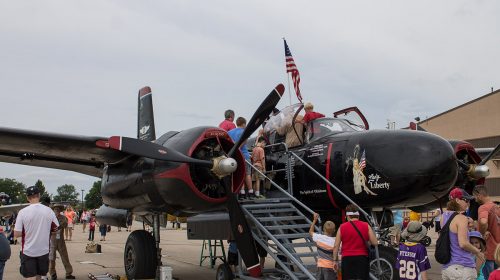
The Douglas A-26 Invader was a fast, heavily armed twin-engine attack aircraft developed by the Douglas Aircraft Company during World War II. First flown in 1942, the Invader was designed to perform several missions, including low-level ground attack, strafing, and bombing. Its combination of speed, firepower, and versatility made it one of the most capable attack aircraft of its era.
Two primary versions served during World War II. The A-26B featured a solid nose that could carry as many as eight forward-firing .50-caliber machine guns, giving the aircraft tremendous firepower against ground targets. The A-26C used a transparent nose containing a bombardier position and was better suited for precision bombing missions. The aircraft was cleverly designed so these nose sections could be changed by maintenance crews in the field, allowing the Invader to adapt to different missions.
The Invader entered combat late in World War II but went on to have an unusually long military career. After the war, it was redesignated the B-26, replacing the retired Martin B-26 Marauder in the U.S. Air Force designation system. Invaders later served during the Korean War, and heavily modified versions returned to combat during the Vietnam War as the B-26K Counter Invader. The aircraft therefore holds the distinction of serving the United States through three major conflicts spanning more than two decades.
With its twin Pratt & Whitney radial engines, streamlined design, and formidable armament, the A-26 earned a reputation as a powerful and adaptable combat aircraft. Its ability to evolve from a World War II attack bomber into an aircraft still performing combat missions decades later demonstrates the strength of its original design and secures the Douglas A-26 Invader an important place in American aviation history.